Mustang Sally
Restoring and Refining a Quarter-Scale P-51D Mustang
By Wessie van der Westhuizen
08.11.2026
Google Banner Ad
Introduction and Acquisition
Aircraft Type: P-51D Mustang (Quarter-Scale)
Manufacturer: Fly-Fan, Slovakia.
Specifications: Wingspan: 2.86 m | Dry Weight: 20 kg | Fuel Capacity: 1 litre.
Powerplant: 3W 150 cc twin-inline (17 hp) | Propeller: 32 × 12 two-blade.
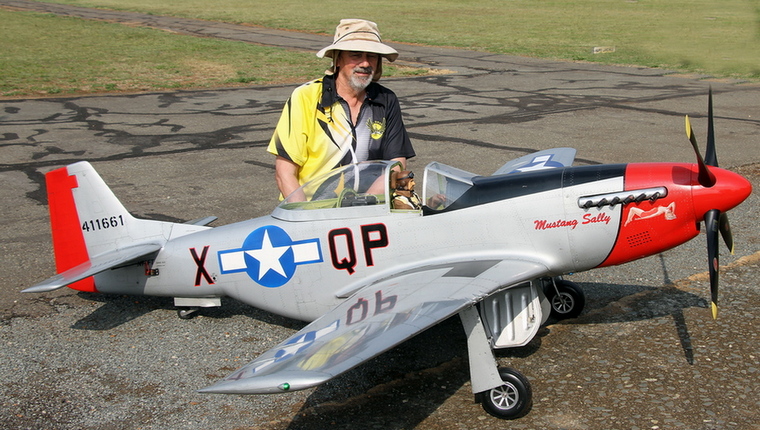

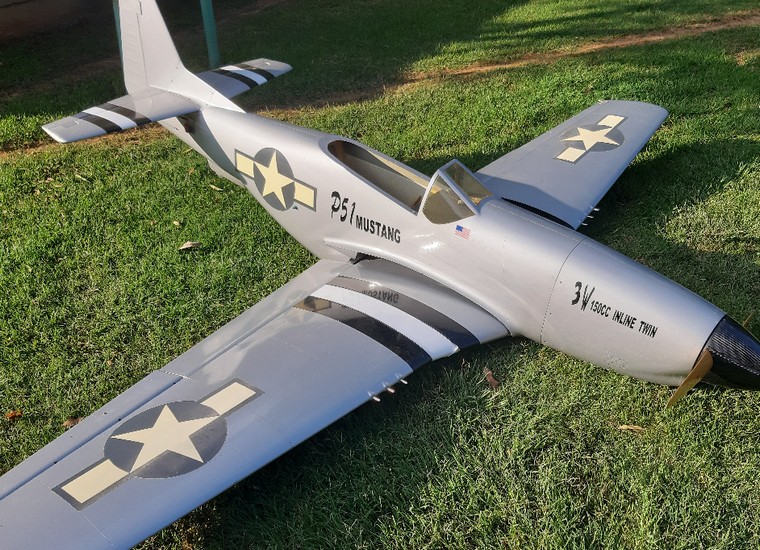
Acquired in April 2022, this quarter-scale Fly-Fan P-51D Mustang arrived with a history. The airframe showed signs of previous flights, accompanied by a missing canopy and minor structural damage to the wings and fuselage. What followed was a two-year, weekend-long restoration and detailing project to bring the aircraft to a highly airworthy standard.
Structural Reinforcement and Canopy Restoration
To ensure the airframe could withstand the rigors of flight and the weight of added scale details, structural integrity was a primary focus. To prevent the fuselage from flexing, the forward section-from the firewall to behind the pilot's seat-was stiffened using several layers of carbon fibre.
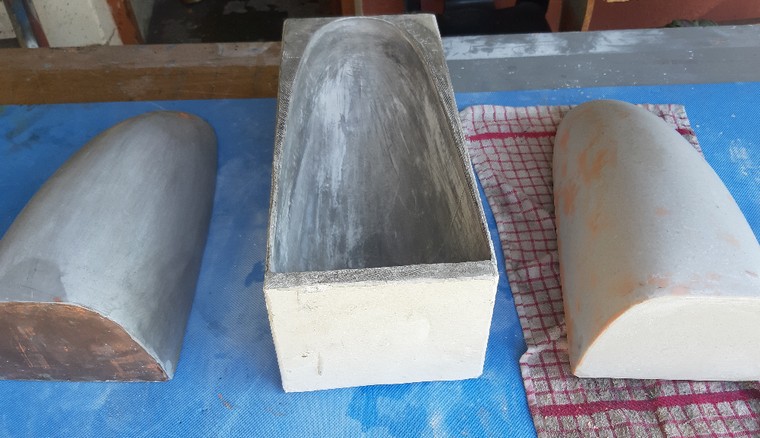
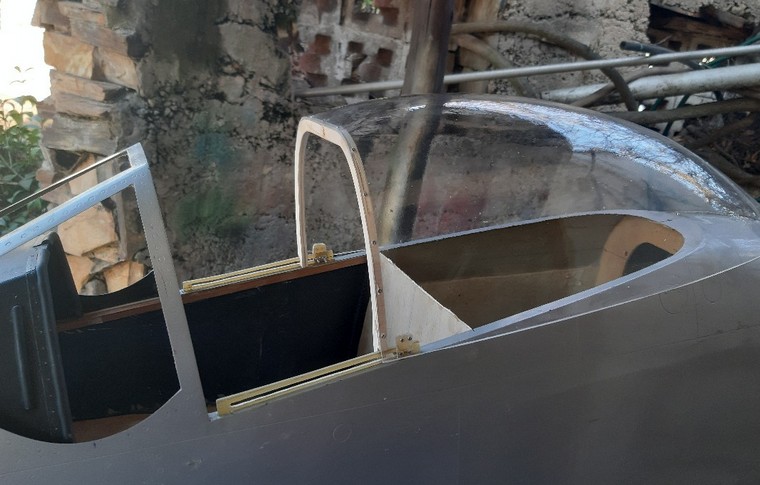
The damaged canopy required a complete rebuild. A custom mould was fabricated, and a new canopy was vacuum-pulled to ensure optical clarity and a precise fit. The canopy framing and sliding mechanisms were then scratch-built to replicate the full-scale operation.

Scale Detailing and Cockpit Construction
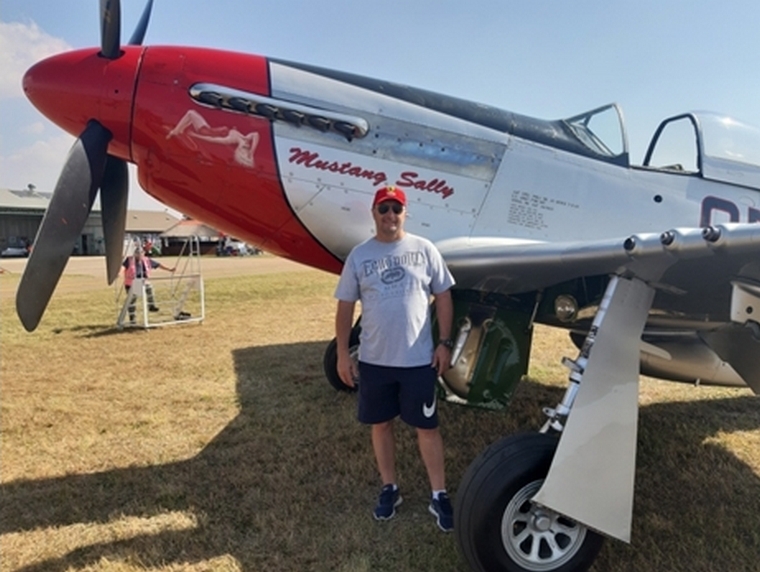
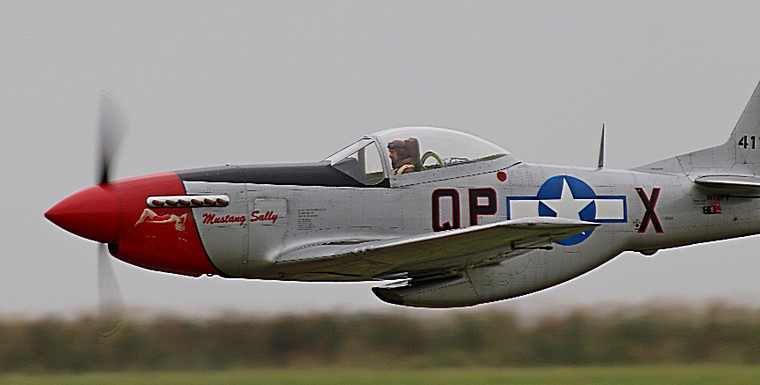
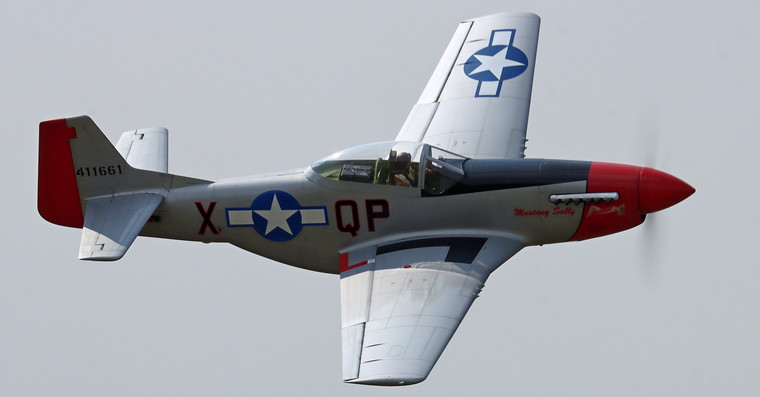
Inspired by the full-scale aircraft and encouraged by fellow hobbyist Johan Struwig, the model was detailed to mirror the real "Mustang Sally." Months of meticulous work went into applying panel lines, rivets, and realistic weathering. Decals and insignia were carefully applied to match the full-size warbird.
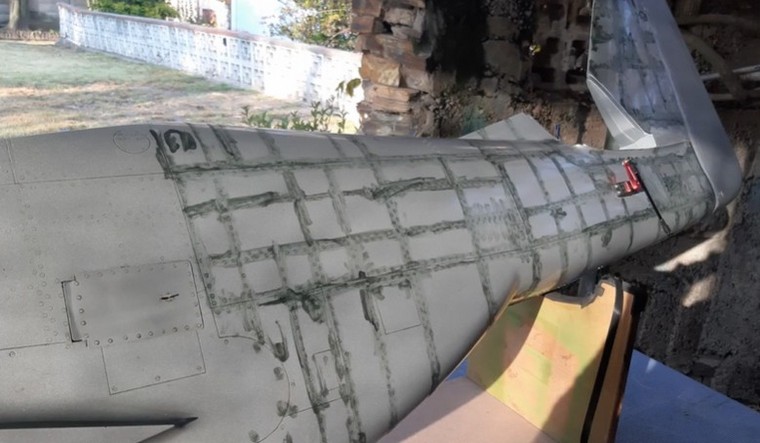
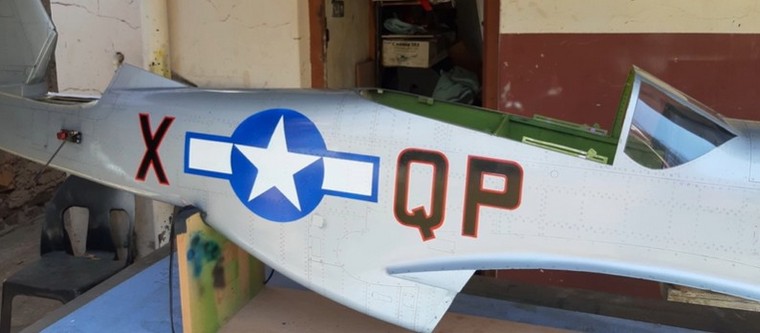
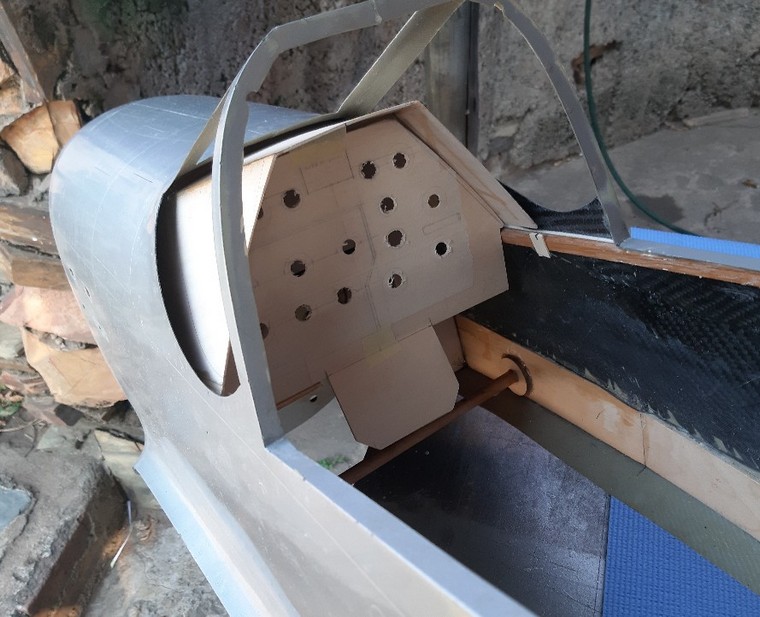
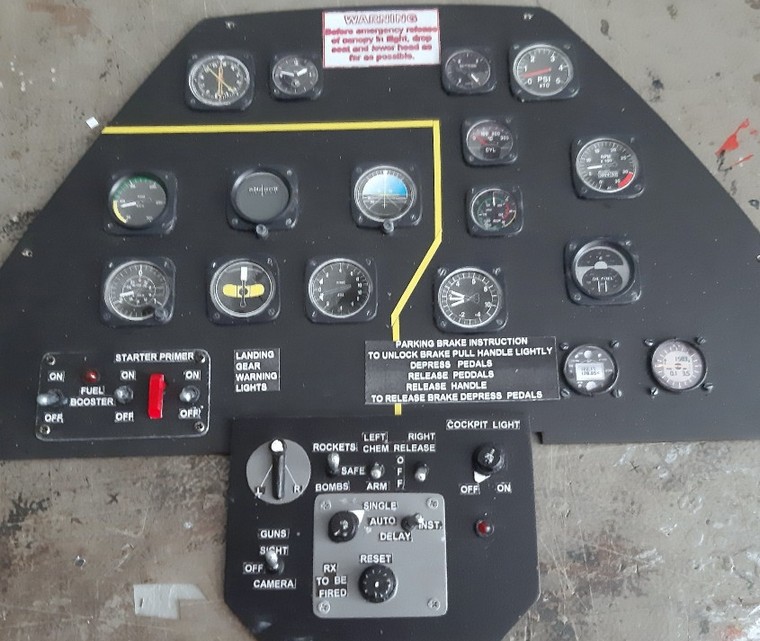
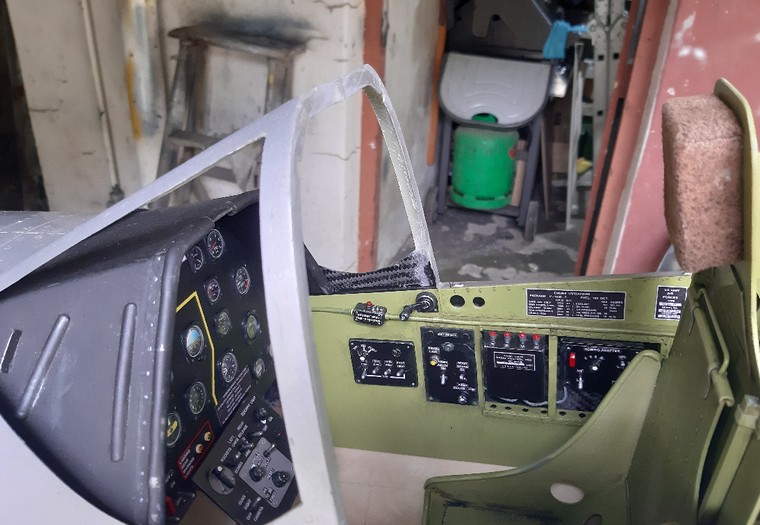
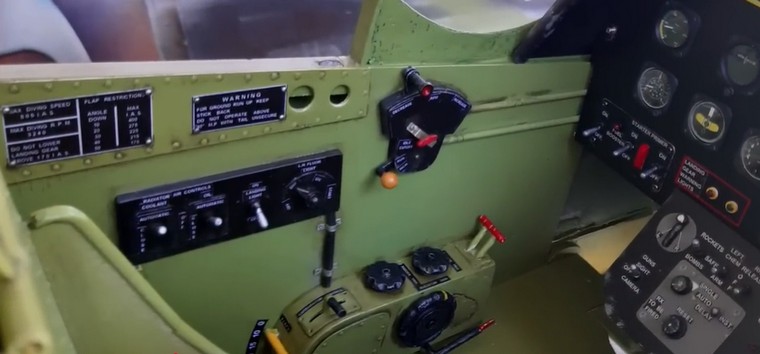
The cockpit was a project unto itself, constructed using thin plywood and styrene. The instrument panel was carefully mocked up and populated with detailed gauges, toggle switches, and warning placards to represent a true-to-life pilot environment.

Engine Installation, Cooling, and Exhaust Modifications
Powering this 20 kg airframe is a 3W 150 cc twin-inline engine rated at 17 hp, swinging a 32 × 12 two-blade propeller. Because inline engines are prone to overheating in cowled environments, custom ducting was fabricated from balsa wood and fiberglass. This ducting forces air directly into the "cool" side of the engine and pushes it through the cylinder head fins for optimal thermal management.
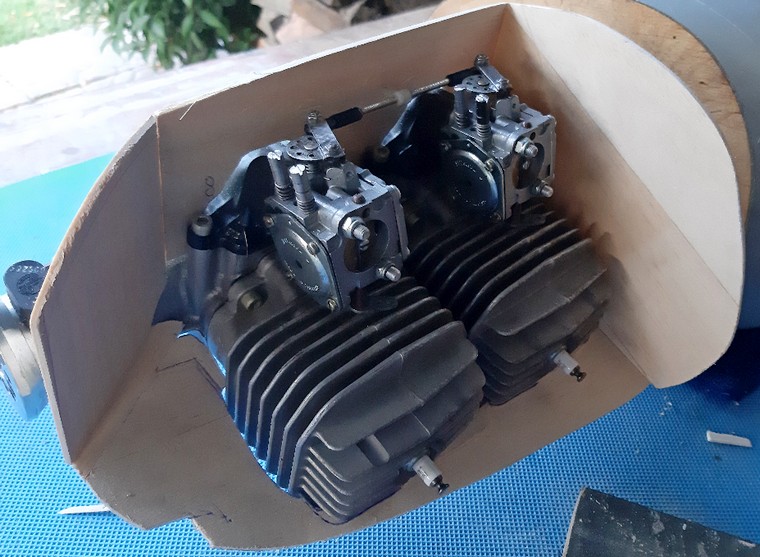
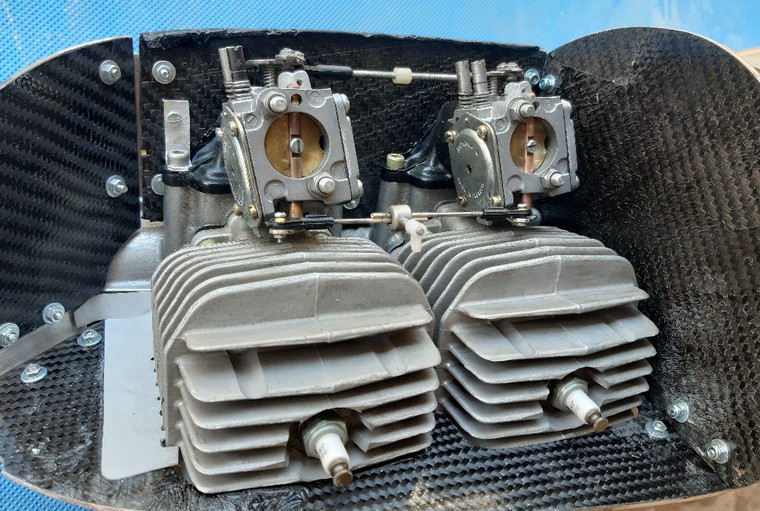
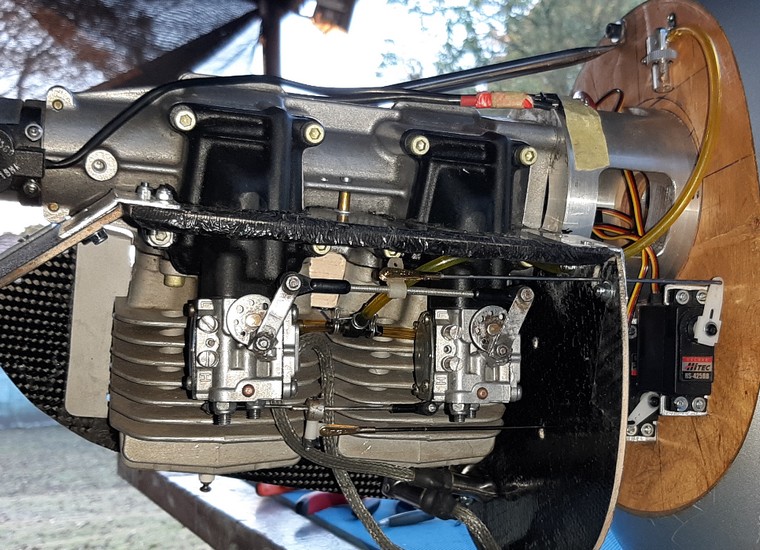
Furthermore, the original 3W coil inductance ignition system was replaced with a modern 2 x single-cylinder electronic ignition system for improved reliability.

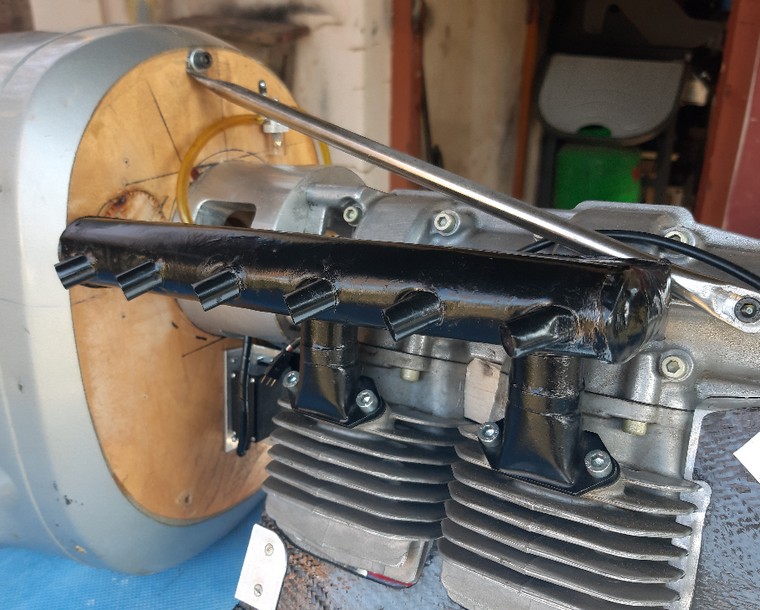
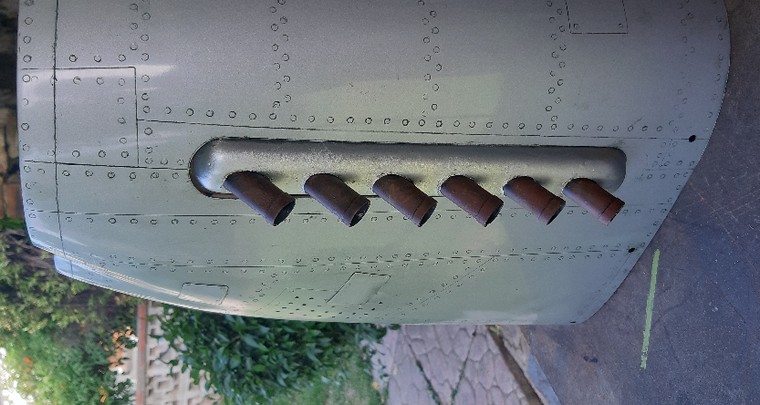
To maintain the scale profile, the exhaust was completely custom-fabricated. A scale exhaust system was built to ensure no components protruded from the bottom of the cowl, routing the exhaust through scale exhaust stacks on the side of the fuselage.

Centre of Gravity and Maiden Flight
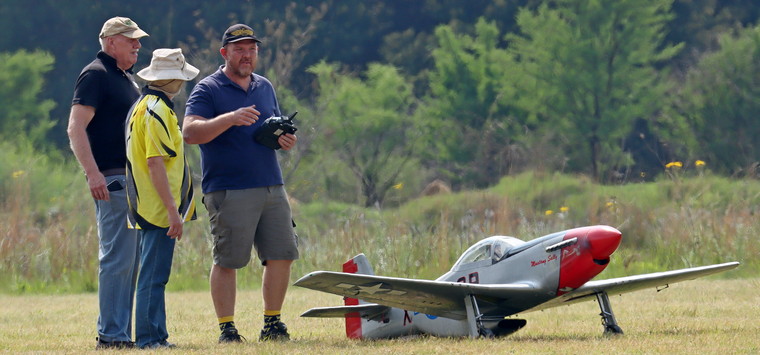
Before flight, the Centre of Gravity (CG) was confirmed using a Vanessa CG Rig, which proved highly effective. The aircraft was officially maidened on 17 June 2024.
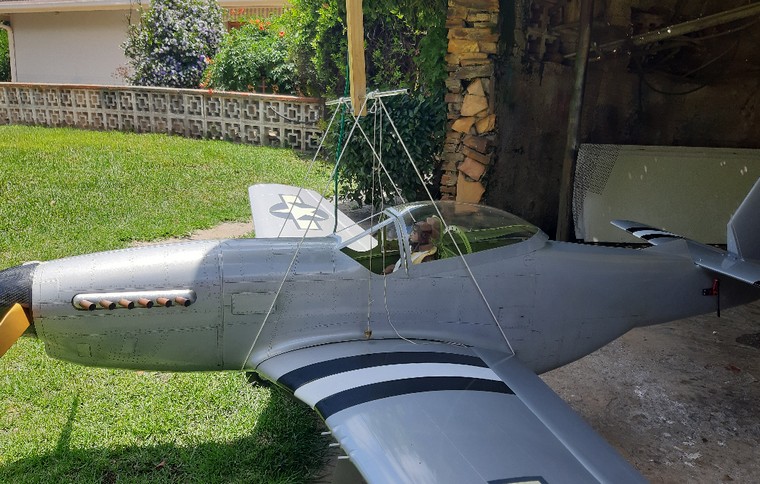
During the maiden flight, the canopy was came off in-flight, which necessitated a complete redesign of the canopy attachment mechanism. Today, the aircraft flies rock-solid. I have taken off and landed myself, but rely heavily on my friend Byron Freeman for take-off and landing, until I get a bit more practice in with the P51.

In the air, the model is incredibly stable, and aside from the distinct engine sound, it looks and flies remarkably close to the real Mustang Sally.


|
                      |