Heinkel's He 115 Finally out of the water after almost 70 years
By Willie Bodenstein
24.05.2026
Google Banner Ad
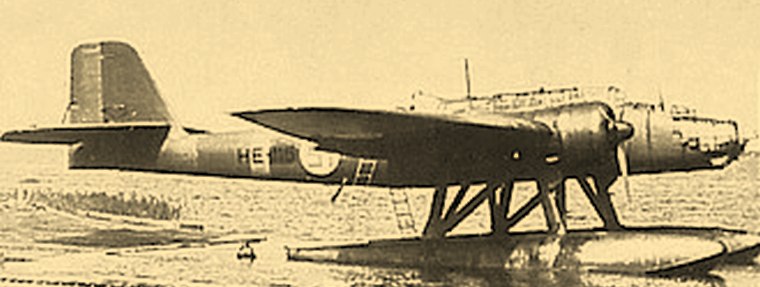
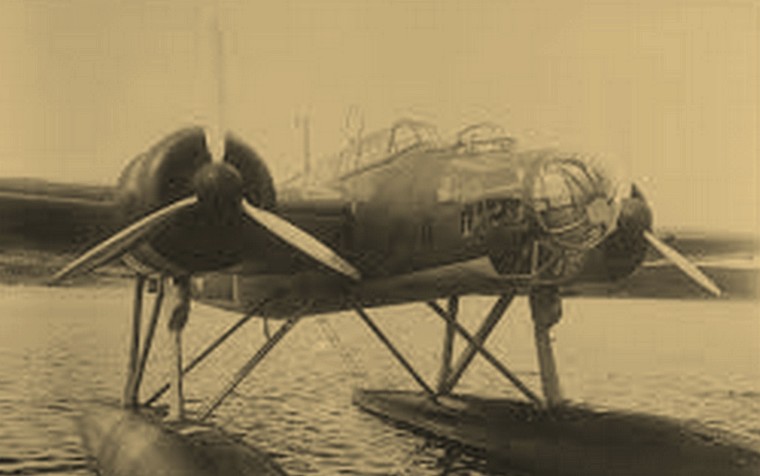
The Heinkel He 115, a German twin-engine seaplane, was developed in the mid-1930s by Heinkel in response to a Luftwaffe requirement for a long-range floatplane suitable for maritime reconnaissance, torpedo bombing and mine-laying missions.
Its first flight took place in 1937 and it quickly impressed evaluators with its range, seaworthiness and relatively high speed for a floatplane. By the outbreak of World War II, the He 115 B, the main production version, was already in service and had been exported to countries such as Norway and Sweden.
The He 115 B was equipped with upgraded defensive armament, improved crew protection, enhanced radio and navigation equipment, while the structure was strengthened to carry torpedoes or bombs. It also featured improved fuel capacity that allowed for extended missions.
The He 115 B was widely used by the Luftwaffe during the early years of the war, particularly during the 1940 Norwegian campaign where it was employed in anti-shipping strikes in the North Sea and Arctic waters. Some aircraft also operated in mine-laying missions along British coastal routes.
One of the more unusual chapters in the He 115's history involved its use in covert operations. Captured or defected aircraft were used by Allied forces, including British units, for clandestine missions. Norwegian crews used surviving aircraft in exile after the German invasion. Its long range and ability to operate from water made it ideal for inserting agents and supplies into occupied territories.
The He 115 was one of the more capable floatplanes of its era and played a significant niche role during the war. However, by the middle years of the conflict, newer Allied aircraft offering better performance and survivability made slow seaplanes increasingly vulnerable and the He 115 B and C variants gradually became obsolete. They were eventually replaced by more advanced reconnaissance aircraft and land-based bombers.
At the beginning of the German invasion of Norway, aircraft stationed at the seaplane base at Hafrsfjord near Stavanger were captured by German forces. However, two Luftwaffe He 115s were seized by improvised Norwegian militia units at Ørnes in Glomfjord and by police officers at Brønnøysund after the aircraft ran out of fuel and were forced to make emergency landings on 10 April 1940. Manned by Norwegian crews, the aircraft were then flown against their former owners for the remainder of the campaign.
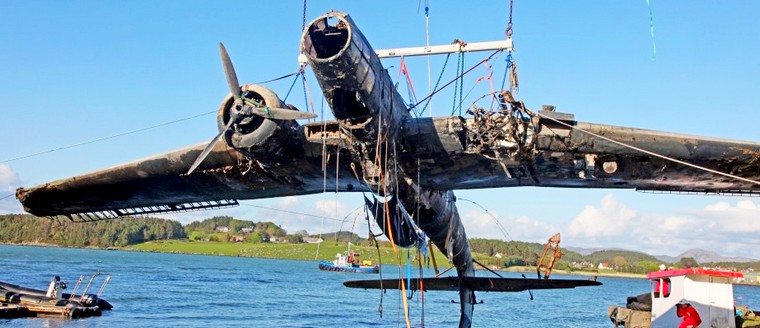
On Saturday, 2 June 2012, one of these wartime veterans was slowly lifted from the cold waters of Hafrsfjord. A large number of spectators gathered at the old German seaplane harbour, patiently waiting as the first propeller blade broke through the fjord surface and the aircraft finally emerged after almost 70 years on the bottom.
The specific He 115, Werknummer 2398, originally belonged to the Norwegian Naval Air Service in 1939 before being captured and later operated by German forces during the war. The aircraft sank in Hafrsfjord in December 1942 following a landing accident. Remarkably, the airframe survived in excellent condition due to preservation by low-oxygen silt and the calm waters of the fjord.
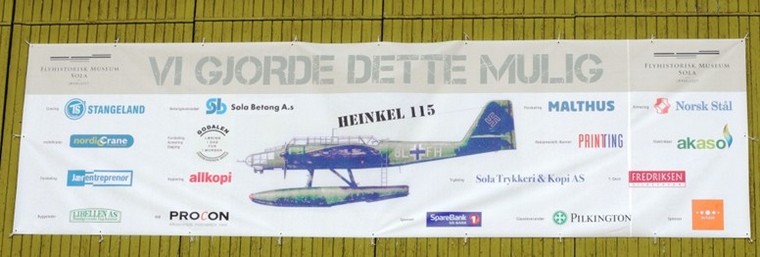
The salvage operation became an extensive project undertaken by members of the Friends of the Aviation History Museum Sola. Numerous volunteers and local businesses contributed to the successful recovery of this extremely rare aircraft, which proved to be in unexpectedly good condition.
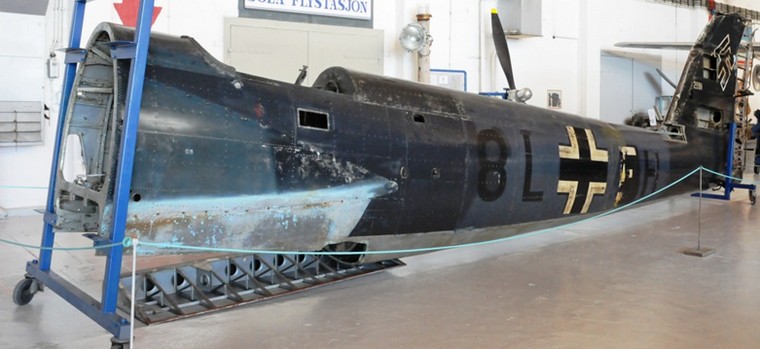
Fortunately, the aircraft suffered relatively little structural damage when it sank almost 70 years earlier. Most of the damage was concentrated in the tail section and the left wing, while the primary structural components remained largely intact.
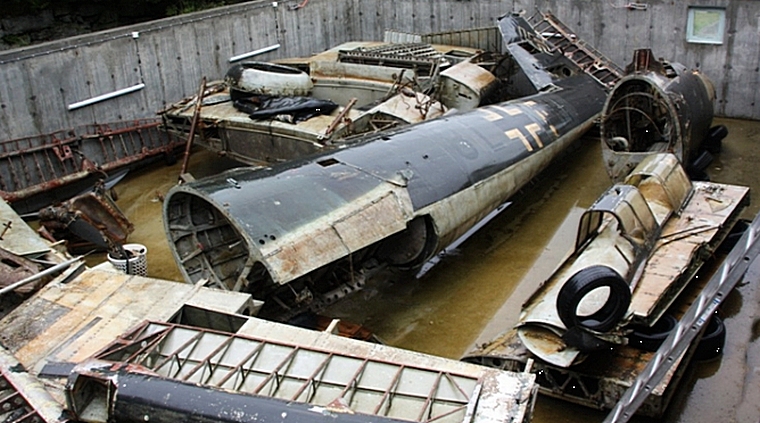
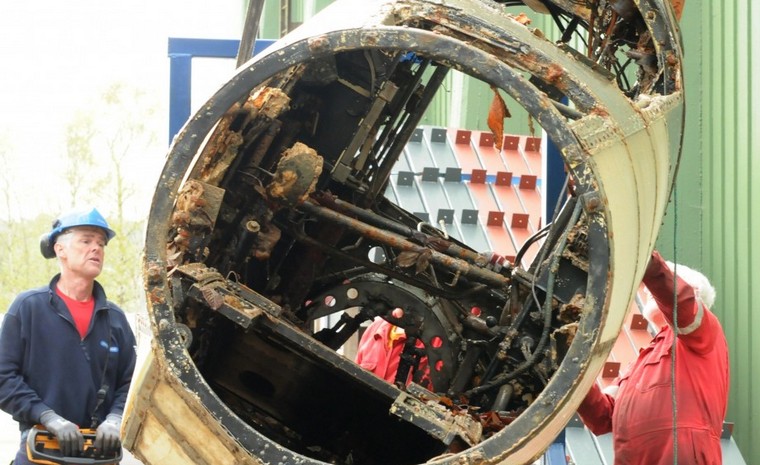
To preserve the aircraft immediately after recovery, the Friends Association constructed a large concrete tank in which the aircraft was submerged in fresh water to dilute salt concentrations and prevent further corrosion. In the days following the salvage operation, the aircraft was dismantled into five major sections.
Experts and volunteers continue to work on restoring the rare twin-engine floatplane. The survival of this solitary airframe, the only recovered example of its kind in existence, makes the project one of considerable international significance in aviation preservation circles.
Currently, the wings, rudder, nose section and engines have all been dismantled for conservation work. Desalination treatment and corrosion prevention processes remain ongoing.
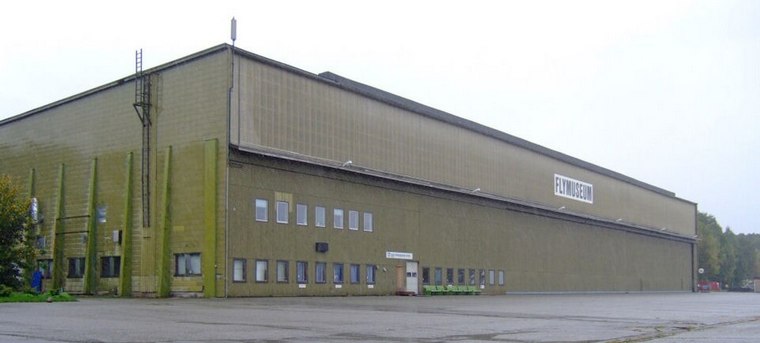
The museum, housed in an authentic German-built wartime hangar and home to almost 30 aircraft, has not yet made a final decision on whether the He 115 will eventually be displayed in German Luftwaffe markings or restored to its original Norwegian colours.
The museum also houses an impressive collection of German World War II aircraft, including the rollout of a restored Messerschmitt Bf 109 in 2020. The collection includes what is believed to be the most complete surviving Arado Ar 96 as well as the airframe of an Arado Ar 196 that had been stationed aboard the German cruiser Blücher when she was sunk in the Oslofjord in April 1940.
The collection also contains examples of every post-war jet operated by the Royal Norwegian Air Force, including several trainers, although notably not the General Dynamics F-16 Fighting Falcon.
For updates on the restoration progress of the Heinkel He 115 and visitor information, the official page of the Sola Aviation Museum provides additional details.