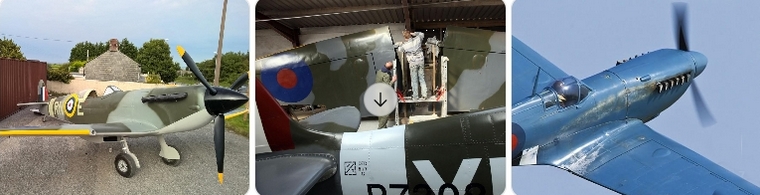
Ninety years after the iconic Supermarine Spitfire first took to the skies, the possibility of a modern rebirth is once again stirring excitement among aviation enthusiasts. A team of designers and engineers in Cornwall has unveiled the concept of the Aerolite Spitfire Type 433, a two-seat recreation inspired by one of the most revered fighter aircraft ever built.
With only around a dozen operational two-seat Spitfires still flying worldwide and original examples commanding prices well in excess of £3 million, the proposed Type 433 could offer a far more accessible pathway into Spitfire ownership-although “accessible” remains relative at a projected £750,000.
The project, spearheaded by Great British Supermarine, aims to blend the unmistakable lines and flying qualities of the original wartime aircraft with modern materials and technology. Unlike the aluminium-skinned fighters of the 1940s, the new aircraft is planned around a lightweight composite structure derived from an intriguing chapter of wartime aviation history.
During the Second World War, British authorities investigated the use of a composite material known as Gordon Aerolite as aluminium supplies became increasingly strained. The concept was intended as a possible alternative construction method for Spitfire fuselages, but the idea never progressed beyond the planning stage. Eight decades later, the Aerolite team has revived and modernised those shelved concepts.
The current prototype remains a non-flying mock-up, but plans call for a 400-horsepower powerplant with the possibility of future hydrogen propulsion as technology evolves. Developers believe the aircraft could eventually become one of the world's largest kit-built aircraft projects, potentially attracting flying clubs and private ownership groups eager to experience Spitfire-style flying without the immense cost and complexity associated with operating original warbirds.
One of the most attractive aspects of the design is its practicality. The composite structure is expected to be less vulnerable to corrosion and environmental deterioration than traditional metal airframes, potentially reducing maintenance requirements and even removing the strict need for permanent hangar storage.
Former chairman of the Spitfire Society, David Spencer Evans, described the project as a continuation of the Spitfire story rather than simply a replica. Supporters argue that while it may never replace the emotional significance of an original wartime Spitfire, it could keep the aircraft's spirit alive for future generations of pilots and enthusiasts.
Jeremy Meeson, CEO of Great British Supermarine, believes the aircraft strikes the ideal balance between heritage and innovation.
“This design stays true to its 1940s lineage, with lightweight performance, balance, and pilot connection, while introducing advanced composites, modern power systems, and intelligent avionics,” he explained.
The Type 433 concept is expected to tour a number of UK airshows and aviation festivals this summer as the developers seek investor backing to move from concept stage to a flying prototype within the next two-and-a-half years.
Whether the project ultimately succeeds or not, it has already reignited a familiar emotion among aviation enthusiasts-the dream of seeing a Spitfire not only preserved in museums and heritage flights, but once again entering production for a new generation of aviators.