SAAFA Jhb hosts Trevor Ralston Rooivalk Test Pilot
By Willie Bodenstein
26.06.2026
Google Banner Ad
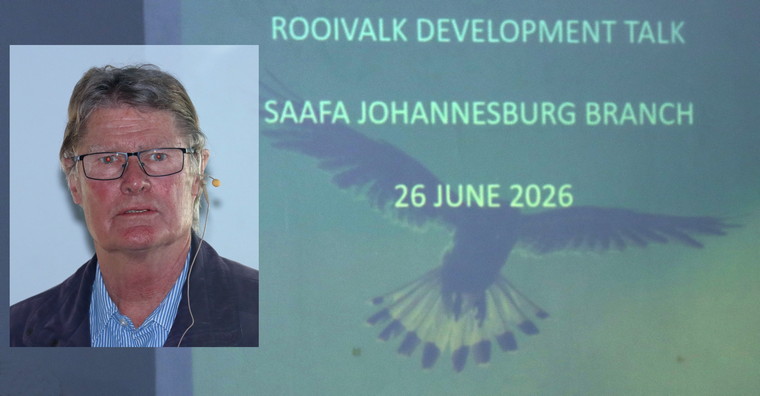
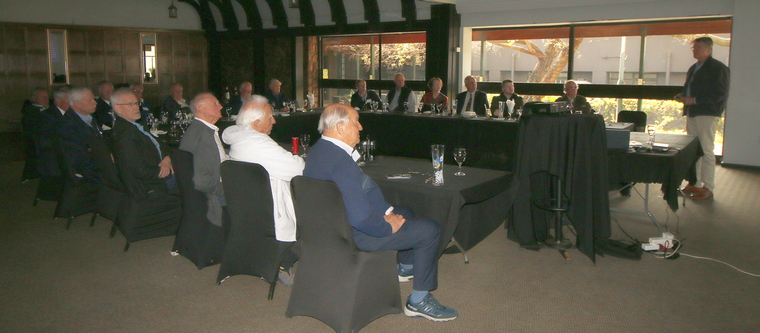
When Captain Karl Jensen invited me to attend the Johannesburg branch of the South African Air Force Association's monthly luncheon, I was interested. When he added that the guest speaker would be Rooivalk test pilot Trevor Ralston, who had been involved with the attack helicopter programme from its earliest concept through development and flight testing, there was no way I was going to miss it.
One of my highlights in the last sixteen plus years of having been with Pilot's Post was the three days that I had spent as a guest of 16Sqn at AFB Bloemspruit, the home of Rooivalk. By then it has been in service with the SAAF and soon afterwards saw action in the DRC.
Rooivalk holds treasured memories for Trevor, having participated in the programme at Atlas Aviation (now Denel Aviation) from the concept stage, through first flight and development testing, to production testing and marketing.
Trevor, who matriculated in 1966, joined the South African Defence Force in 1967 and like all aspirant pilots did his flying training at CFS at Dunnottar and got his wings in 1968. Between then and 1970 he did three bush tours up north all in Alouettes.
From the nimble Allo's he went to 15 Squadron and the large impressive Super Frelons where he stayed until 1973 before returning to CFS this time as an instructor. The tour lasted until 1975. Next, he got involved in the production test flying of new Alouettes and Pumas.
Then in 1977 he was off to the UK to Boscombe Down the world famous Empire Test Pilots' School before joining our own Test Flight and Development Centre where he stayed until 1989. From there he went to Atlas Aircraft Corporation until 2005 when he joined ATE / Paramount until 2017.
Rooivalk, Trevor explained during his extremely interesting presentation, originated from the growing threat of modern ground and airborne equipment supplied and operated by the Soviet Union and its proxies in Angola. This included artillery, tanks, APCs, radar systems, ground to air missiles, fighter aircraft and attack helicopters.
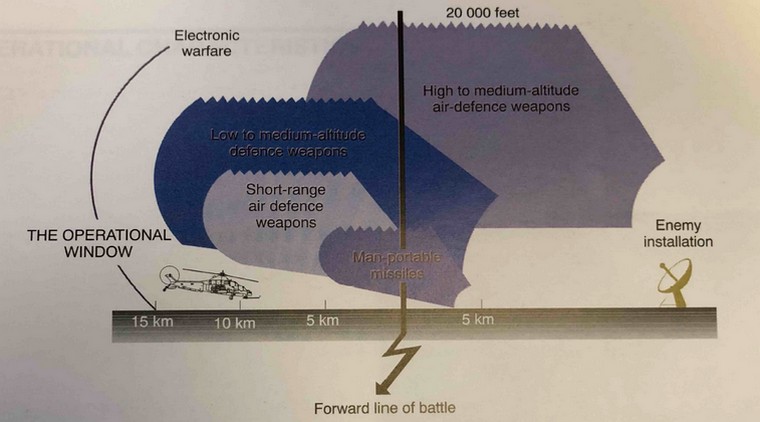
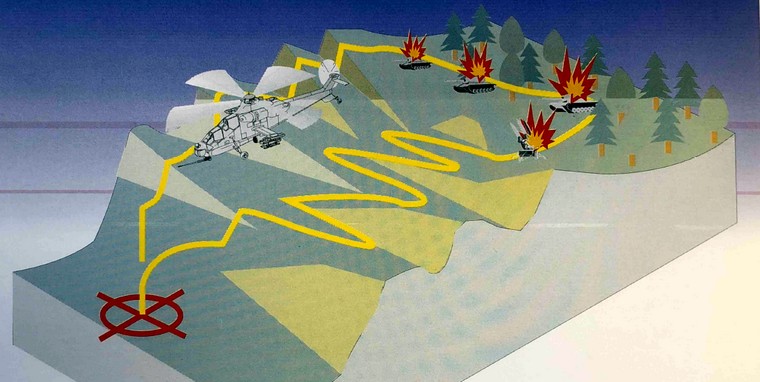
To counter the threats the envisaged system must exploit the low level environment to remain below the radar detection envelopes and to be able to use ground features as cover and must operate 24/7 in the expected environmental conditions. The only system that met almost all the requirement was a helicopter.
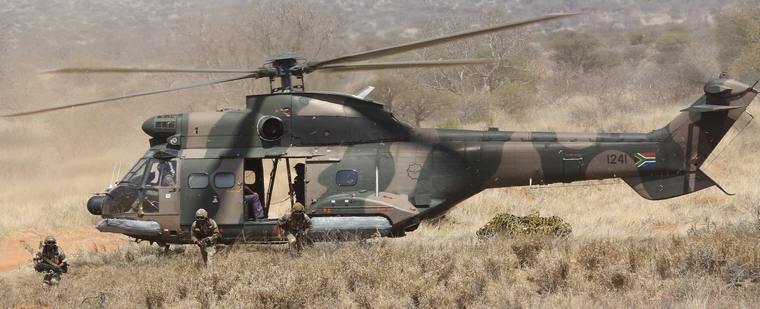
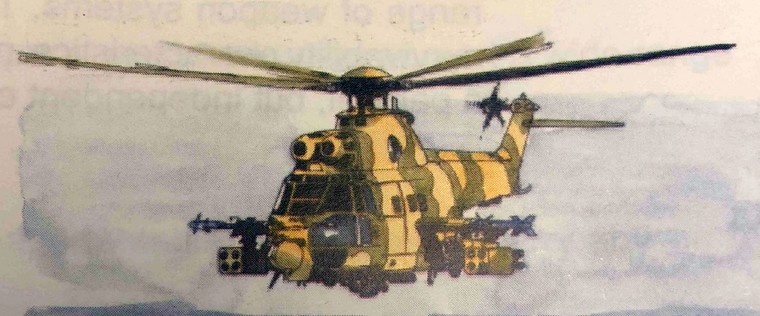
Development of the type to be named Rooivalk began in 1984 by the Atlas Aircraft Corporation. It's development was closely connected to the Atlas Oryx transport helicopter, with both aircraft being based on the Aérospatiale SA 330 Puma and having started development at the same time.
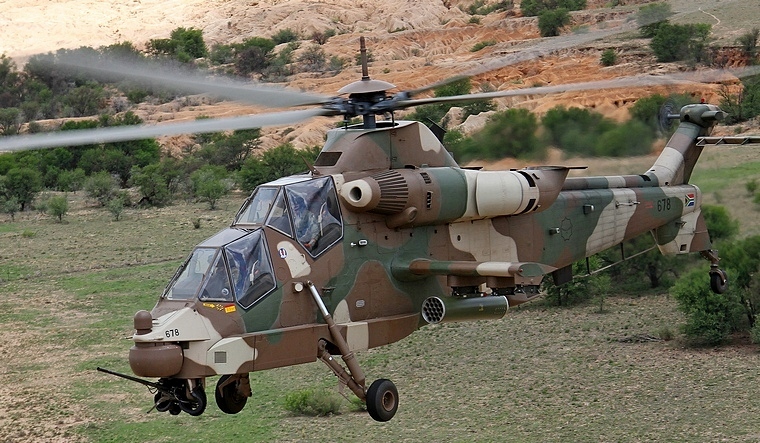
The design philosophy behind the Rooivalk can be summed up in four simple principles: not to be seen; if seen, not to be hit; if hit, to remain airborne; and if forced down, to ensure the crew survives the crash.
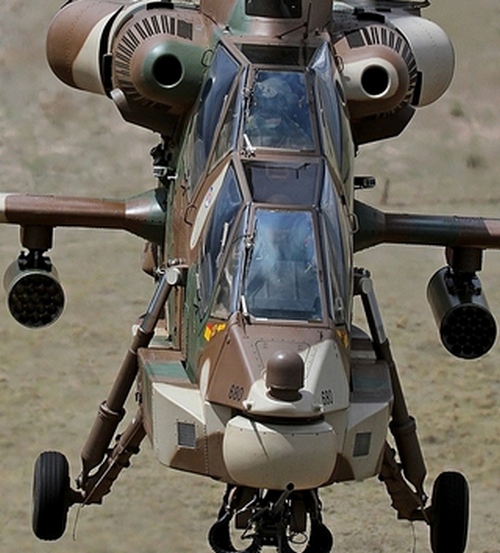
Rooivalk's small frontal area with parallel and near flat cockpit glazing, nap of the earth flying capabilities (NOE), camouflage designed by the CSIR and bad weather and night flying capabilities, shielded compressor faces and unique engine exhausts suppressors makes it a rather difficult target to see and acquire.
If seen its electronic counter measures, agility and maneuverability, standoff weapons and high excess power in hot and high conditions make it an elusive target to hit.
If hit its 12.7 mm API ballistic tolerance, wide spacing of the engines, dual redundancy systems, fire protection system and dry run gearbox capability makes it a difficult target to down. If downed its over designed undercarriage, single engine capability, survivable sink rate of 10.5 meters per second, crash sensor and coupling in the electrical and fuel systems, shock absorbing seats as well as the placement of the engines ensures the safety and chances of survival of the occupants.
Since time scales and engineering challenges precluded the development of an entirely new platform, Trevor noted, the Puma and its development, the Oryx, provided suitable building blocks in the engines, main gearbox and rotor system. This led to the Oryx dynamic systems being selected, with the required significant modifications deemed to be within the engineering capabilities of the RSA.
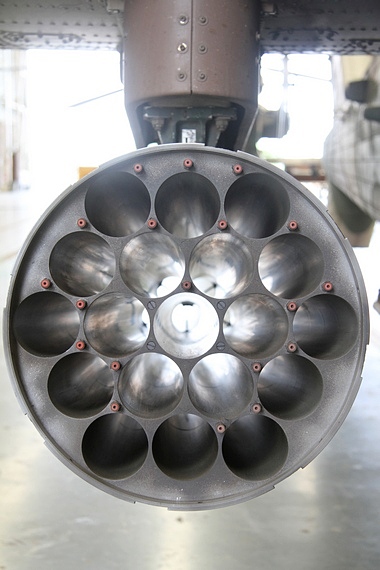
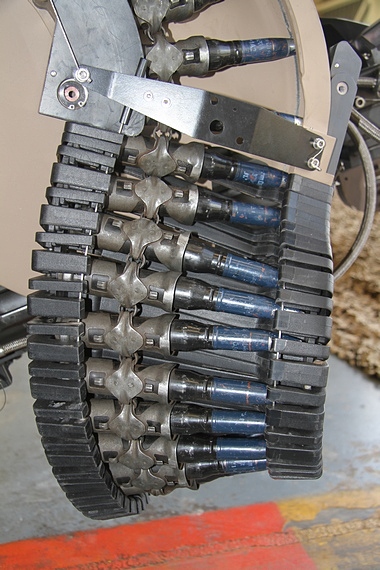
Weapons envisaged were anti-tank missiles for armoured vehicles and bunkers, aerial rockets for area suppression and an articulated gun for soft targets and for self-protection. A self-protection suite including radar and laser warning, and chaff and flare dispensing units and engine IR suppressor system to reduce the IR signature of the platform were all deemed as essential.
Considering that the systems main operational area will be while flying nap of the earth missions the view from the cockpits needed to be exceptional. Side by side seating was considered but found to be impractical and the stepped tandem seating implemented.
Since the gun and sighting system needed to be mounted on the nose of the platform, a tail-wheel configuration was chosen. Weapons beam (wings) was required for weapons carriage.
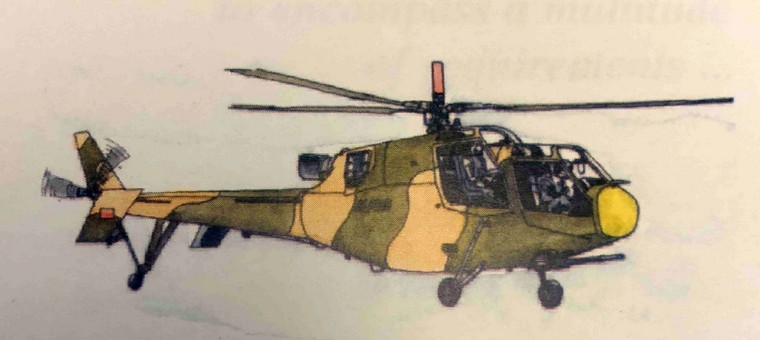
Two associate programs, Trevor told the rapt audience, were the Alpha XH-1 Capability Demonstrator and the Puma-J weapons and systems programme.
Finally the system has reach maturity and the time for flight testing started. Three development models were used:
• The Experimental Development Model (XDM), used for basic airframe structural tests, performance and flying qualities assessments.
• The Advanced Development Model (ADM), used for testing changes resulting from XDM tests, and for evaluation of the initial avionics suite, as well as some weapons tests.
• The Engineering Development Model (EDM), used for testing to finalise the initial production standard.
Knowing that we had a world class product our ambitions was to enter the World market. Expensive campaigns were conducted in the United Kingdom, Malaysia, Saudi Arabia, Algeria and Australia. Rooivalk was demonstrated at major international airshows; Farnborough in the UK, Dubai in the UAE, Langkawi in Malaysia, and in Australia.
Although the Rooivalk was highly rated internationally it never achieved the export success many believed it deserved. Its biggest stumbling block was the doubt in the international community of South Africa's ability to to support a major system for a life of thirty years.
However, it remains one of South Africa's greatest aviation engineering achievements. Trevor Ralston's presentation offered those attending a rare insight into the vision, innovation and determination that brought the aircraft from a drawing board concept to an operational combat helicopter.
Judging by the enthusiastic applause at the conclusion of his talk, the audience left with an even greater appreciation of both the Rooivalk and the remarkable men and women who made it possible.