Shuttleworth Collection’s Summer Air Show 2026: Spitfire at 90
The skies above Old Warden came alive on 25 July 2026 as the Shuttleworth Collection’s Summer Air Show celebrated 90 years since the first flight of the Supermarine Spitfire – one of the most famous and influential fighter aircraft in aviation history.
For one remarkable day, the legendary fighter was placed firmly at the centre of attention, with a spectacular gathering of flying Spitfires representing different marks and stages in the aircraft's evolution. The display offered a unique opportunity to see how the design developed from the early-war variants that helped defend Britain to the later versions that supported Allied operations across Europe.
The event was as much a celebration of history as it was a feast of aviation spectacle. Many of the individual Spitfires taking part have their own wartime stories, with aircraft associated with the intense campaigns surrounding the Second World War, including the build-up to and aftermath of the Normandy landings and the evacuation of Dunkirk.
For visitors, seeing so many different Spitfire marks flying together provided a powerful reminder of the aircraft's extraordinary 20-year development – and of the people who designed, built, maintained and flew it.
A Spitfire for Every Chapter
The centrepiece of the show was the remarkable collection of Spitfires assembled for the anniversary celebration. Together, the aircraft illustrated the evolution of the fighter as the demands of war changed.
Among the aircraft represented were the Supermarine Spitfire XVIe, Supermarine Spitfire IXb, Supermarine Spitfire Vc, Supermarine Spitfire XI, Supermarine Spitfire Ia, Supermarine Spitfire VIII.T, Supermarine Spitfire IX.T and Supermarine Spitfire IX, alongside another Supermarine Spitfire Ia.
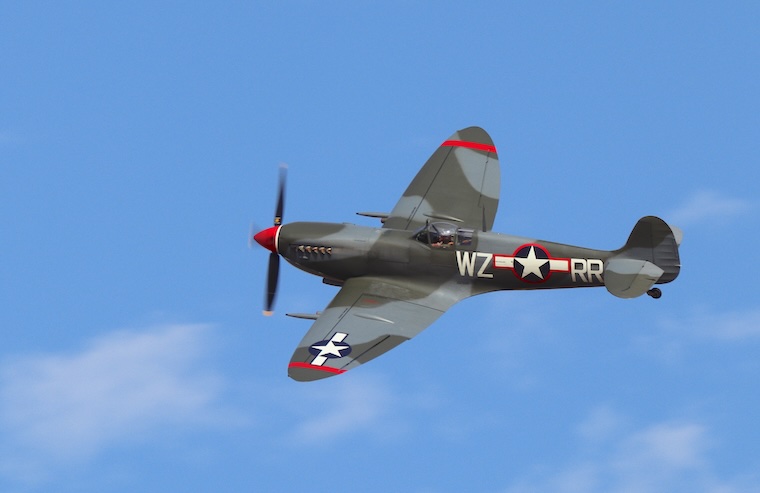
Supermarine Spitfire XVIe
The later Spitfire XVIe represented the continuing development of the basic design, while the Spitfire IXb demonstrated one of the most important wartime variants. The Spitfire IX was introduced as a response to the growing threat posed by increasingly capable German fighters, allowing the Spitfire to remain competitive as the war progressed.
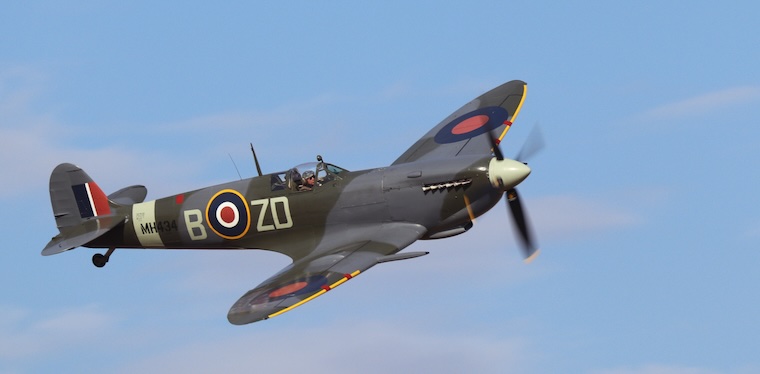
Supermarine Spitfire IXb
Earlier marks told a different story. The Supermarine Spitfire Vc was a veteran of the crucial middle years of the war, while the Spitfire Ia remains inseparably linked with the Battle of Britain and the aircraft's emergence as a symbol of Britain's resistance during 1940.
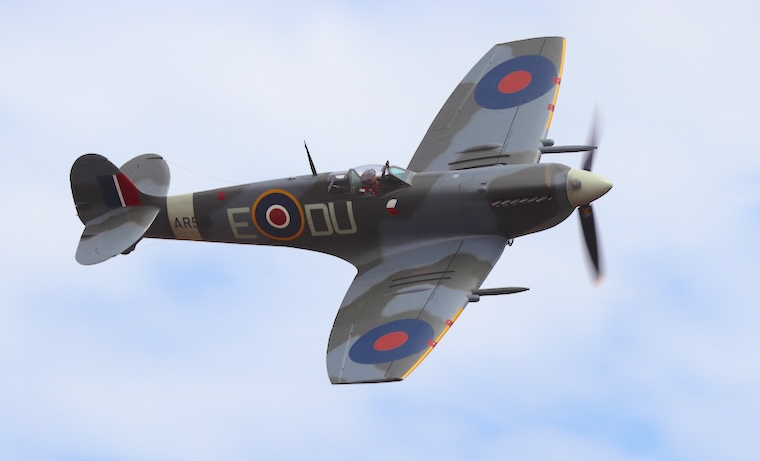
Supermarine Spitfire Vc
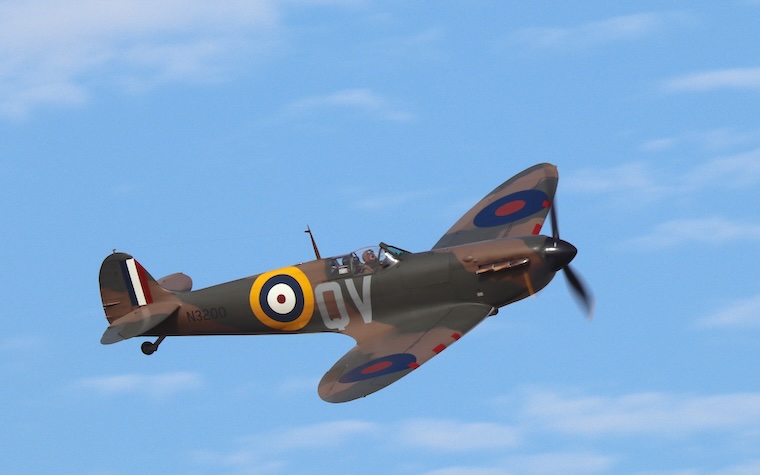
Supermarine Spitfire Ia
The Supermarine Spitfire XI represented the fighter's transformation into an effective reconnaissance platform. Stripped of armament in favour of cameras and increased performance, the type played a vital role in gathering intelligence over enemy territory.
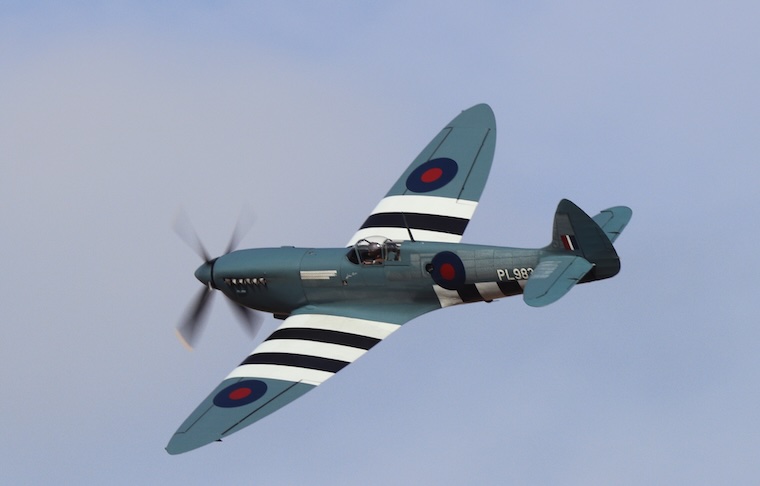
Supermarine Spitfire XI
The two trainer variants, the Supermarine Spitfire VIII.T and Supermarine Spitfire IX.T, offered another perspective on the aircraft's story. While the Spitfire is most often remembered as a front-line fighter, these two-seat aircraft illustrate the importance of training and conversion in keeping pilots prepared to operate one of the world's most demanding high-performance fighters.
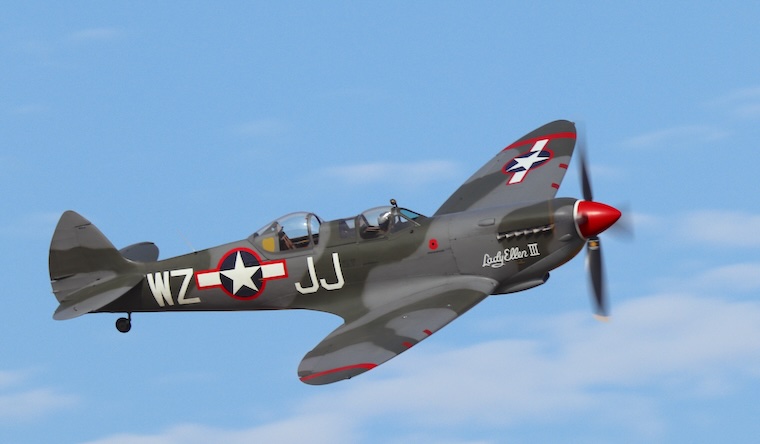
Supermarine Spitfire VIII.T
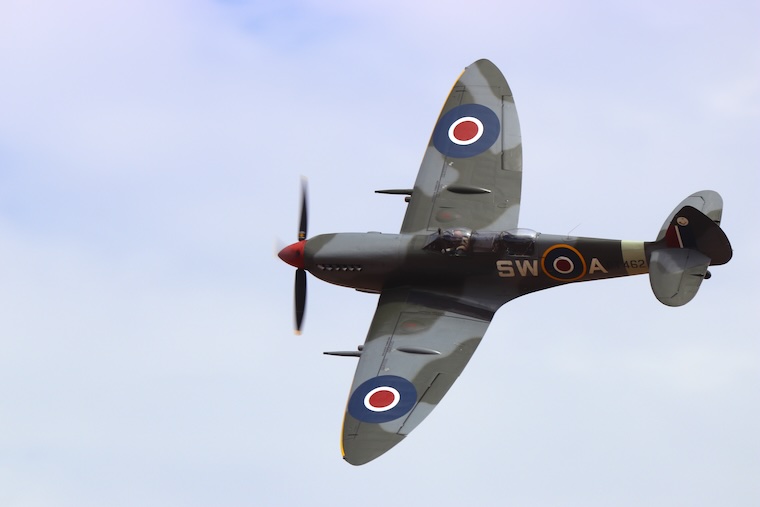
Supermarine Spitfire IX.T
Taken individually, each aircraft told a fascinating story. Seen together in the air, they became a visual timeline of the Spitfire's evolution.
The mass Spitfire formation was therefore one of the day's defining moments. With multiple examples of the fighter airborne together, the formation provided a rare opportunity to appreciate the different shapes, proportions and configurations that emerged as the Spitfire evolved during the war.
It was a fitting tribute to an aircraft that first flew 90 years ago, yet continues to capture the imagination of aviation enthusiasts around the world.
Dogfights Bring the Battle of Britain Era to Life
The historical theme continued through a series of displays that placed the Spitfire in the context of the aircraft it fought alongside – and against.
Among the most visually dramatic was the appearance of a Hispano Buchon, which joined the Spitfires in a simulated dogfight. The Buchon, itself a development of the Messerschmitt Bf 109 design, provided an evocative stand-in for the German fighters that Spitfire pilots encountered during the Second World War.
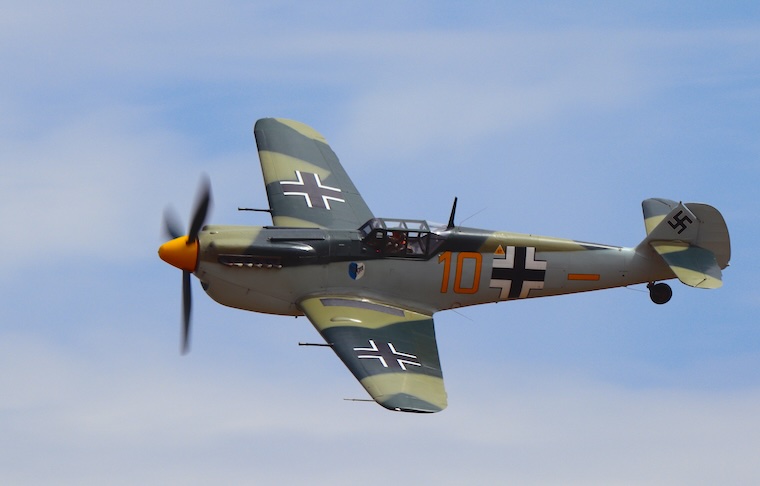
Hispano Buchon in dogfight with Spitfire
The combat display transformed the history of the Spitfire from something seen in museums and photographs into a living spectacle. Aircraft manoeuvred through the sky in a carefully choreographed recreation of the aerial battles that once determined the fate of nations.
The sight of a Spitfire turning against a Buchon offered a particularly striking visual reminder of the fighter's wartime role. The graceful lines of the Spitfire contrasted with the aggressive profile of its simulated opponent, recreating the visual drama of aerial combat while allowing today's audiences to appreciate the skill and bravery demanded of the pilots who flew such missions for real.
A Three-Ship Formation of Desert Warriors
Another standout moment brought together three aircraft with strong associations with the early years of the Second World War.
A Gloster Gladiator I flew alongside a Hawker Hurricane I and a Supermarine Spitfire IX in a three-ship formation, with the Spitfire wearing desert camouflage.
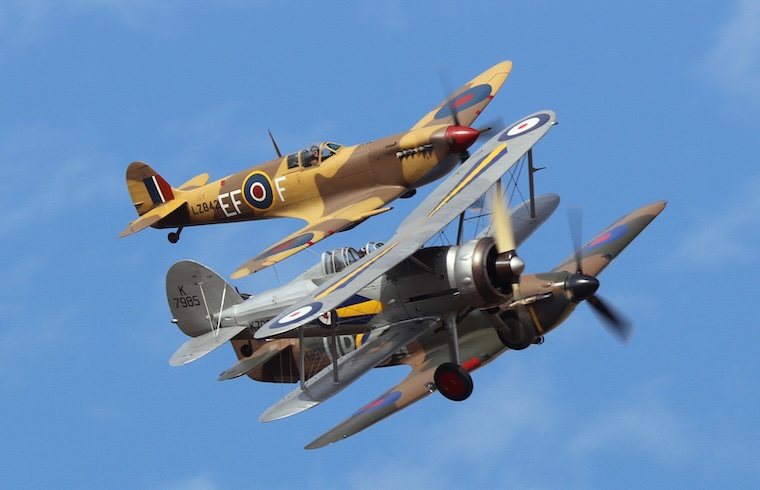
Gloster Gladiator I, Hawker Hurricane I and Supermarine Spitfire IX in formation
The formation provided a striking visual representation of the rapid evolution of British fighter aviation. The Gladiator, a biplane fighter from the pre-war era, represented the final generation of Britain's front-line biplane fighters. The Hurricane was one of the RAF's principal fighters during the Battle of Britain, while the Spitfire IX demonstrated how far the basic fighter concept had developed by the middle years of the war.
Seeing the three aircraft together was a reminder that technological progress during the Second World War was extraordinarily rapid. In just a few years, British fighter design moved from the biplane era into an age of increasingly powerful, high-performance monoplanes.
The desert camouflage of the Spitfire added another dimension to the display, evoking the aircraft's service in the Mediterranean and North African theatres.
The Shuttleworth Collection’s Flying Heritage
While the Spitfires naturally dominated the headlines, the Summer Air Show offered much more for aviation enthusiasts, with a wide selection of historic aircraft from the Shuttleworth Collection taking to the air.
The Sopwith F.1 Camel brought the First World War era to life. One of the most famous British fighters of the conflict, the Camel is remembered for its exceptional manoeuvrability and its demanding handling characteristics.
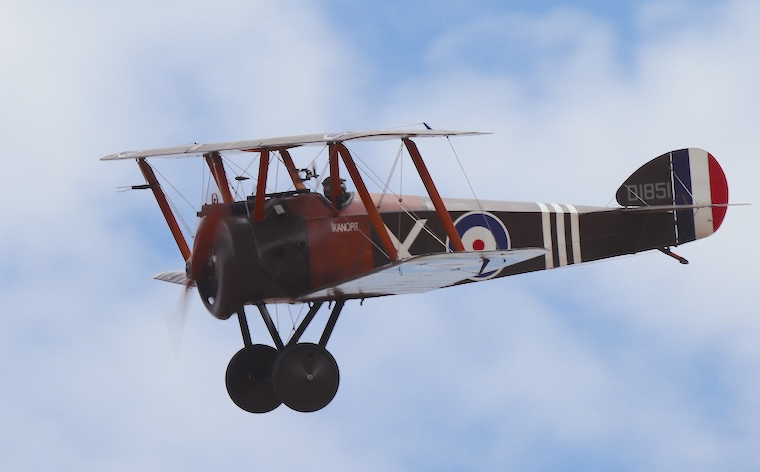
Sopwith F.1 Camel
The graceful de Havilland DH.89A Dragon Rapide represented the golden age of inter-war and pre-war air travel, while the diminutive Polikarpov Po-2 provided a fascinating contrast with its origins in Soviet aviation.
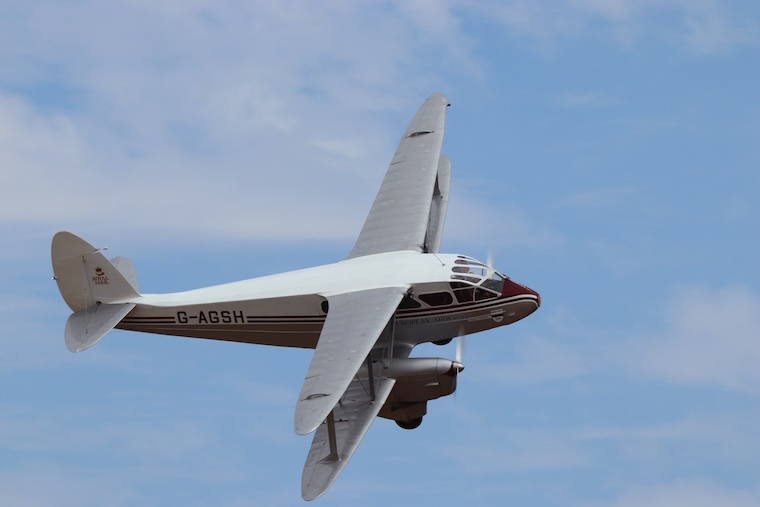
de Havilland DH.89A Dragon Rapide
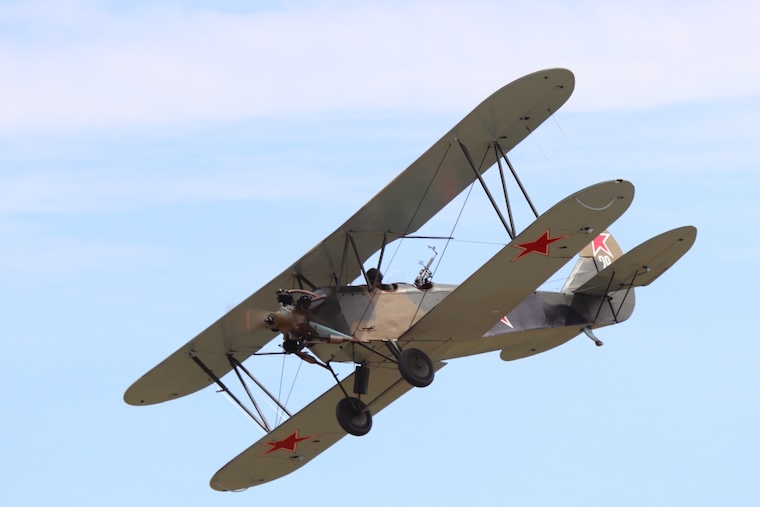
Polikarpov Po-2
The Avro C19 Anson was another reminder of the importance of multi-engined aircraft to British aviation history. Originally developed as a light transport and communications aircraft, the Anson became an important training platform during the Second World War.
The post-war era was represented by the Percival P56 Provost T.1, a jet trainer that marked a dramatic technological leap from the piston-engine aircraft that dominated earlier decades.
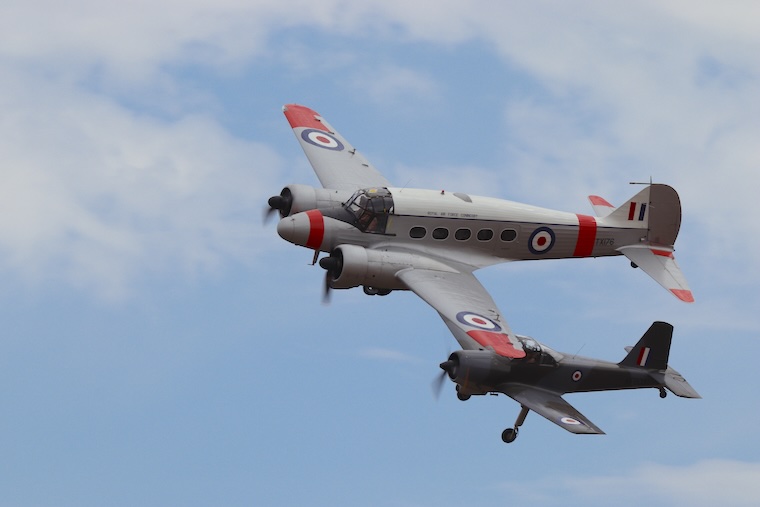
Avro C19 Anson & Percival P56 Provost T.1
Returning to the First World War, the Sopwith Triplane and Bristol F.2B Fighter demonstrated two very different approaches to military aviation during the conflict.
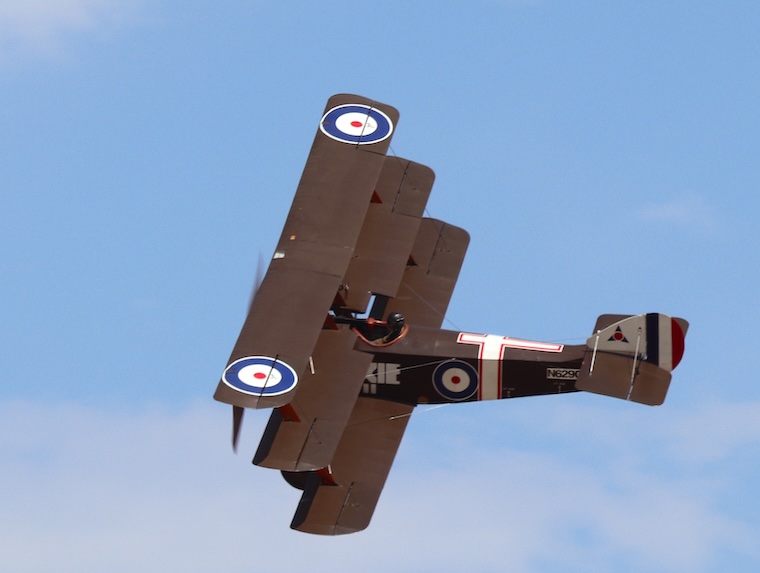
Sopwith Triplane
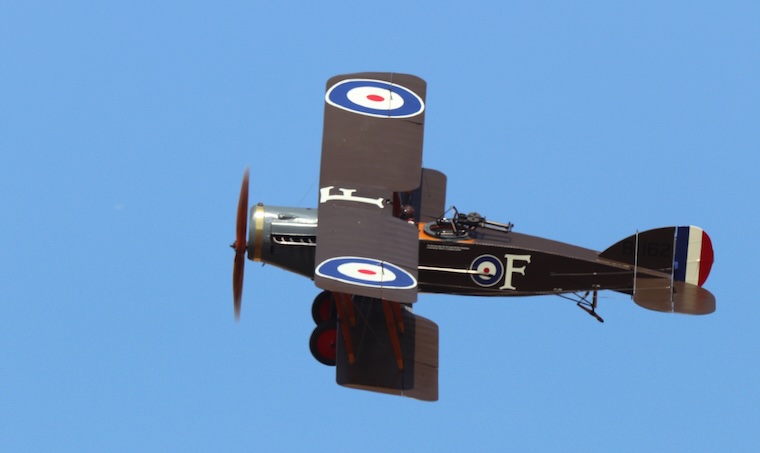
Bristol F.2B Fighter
The sleek Bristol M.1C added another distinctive First World War design to the programme, while the ever-popular de Havilland DH.82A Tiger Moth represented the aircraft on which generations of pilots learned their craft.
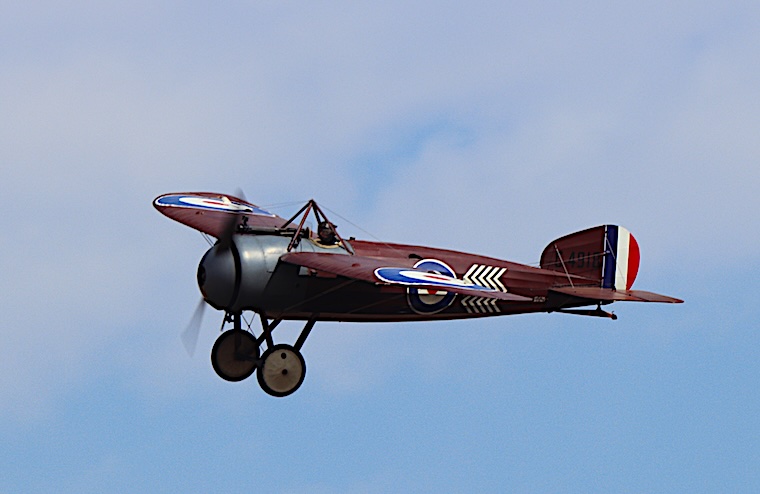
Bristol M.1C
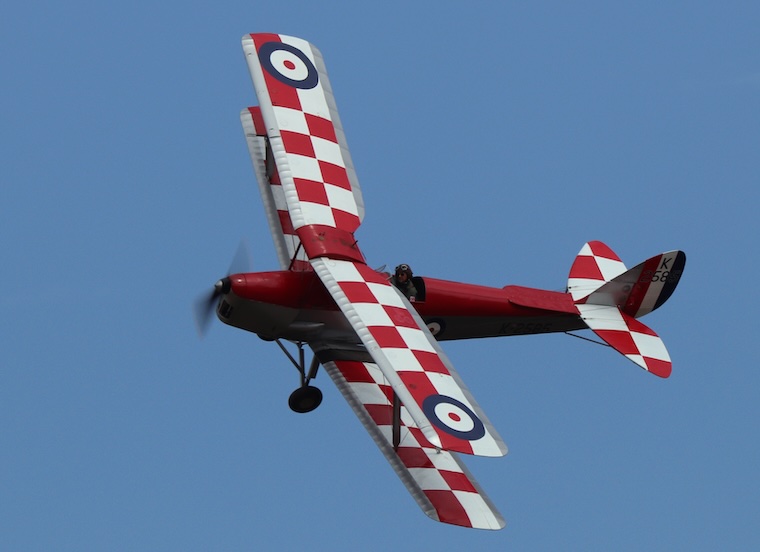
de Havilland DH.82A Tiger Moth
The Westland Lysander, with its distinctive high-lift design and short-field capability, recalled the aircraft's remarkable special-operations role during the Second World War.
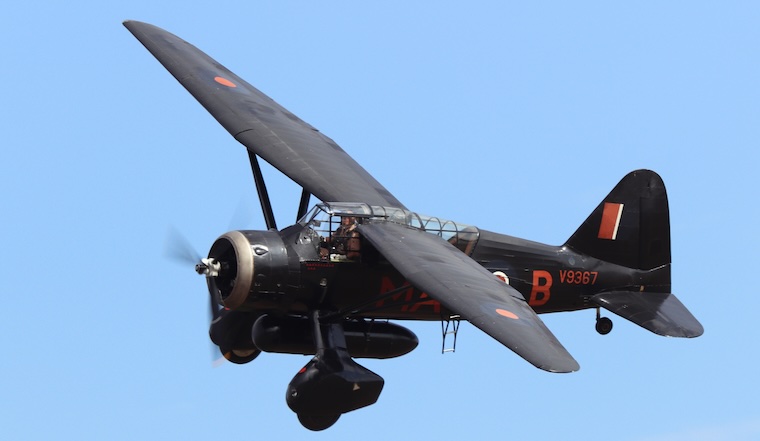
Westland Lysander
The legendary de Havilland DH.88 Comet brought a touch of 1930s glamour to the show. Created for the 1934 MacRobertson Air Race from England to Australia, the Comet represented the extraordinary ambition of the golden age of air racing.
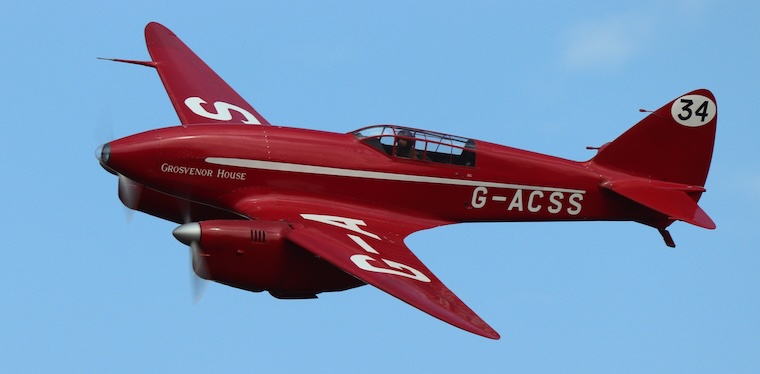
de Havilland DH.88 Comet
The Comper Swift, another beautifully proportioned aircraft from the inter-war period, completed a selection that demonstrated the breadth of the Shuttleworth Collection's flying heritage.
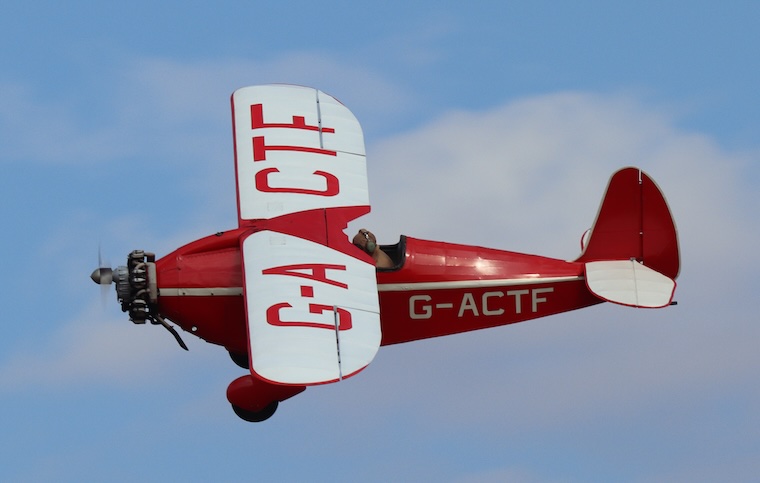
Comper Swift
Together with the other aircraft participating in the programme, these historic machines ensured that the Summer Air Show was about far more than one famous fighter. The event presented aviation history as a continuous story, spanning the pioneering years of the First World War, the rapid technological advances of the inter-war period, the global conflict of 1939–45 and the transition into the jet age.
A Fitting 90th Anniversary Tribute
The Shuttleworth Collection's Summer Air Show succeeded in bringing together the two elements that make historic aviation so compelling: authenticity and spectacle.
There was the spectacle of 11 Spitfires filling the sky, the drama of a simulated dogfight with a Hispano Buchon and the unforgettable sight of a Gladiator, Hurricane and desert-camouflaged Spitfire flying together.
But there was also the history. Each aircraft carried a story, whether connected to the First World War, the inter-war years, the Battle of Britain, the campaigns in North Africa and Europe, the Normandy landings or the technological revolution that followed the Second World War.
Above all, the event demonstrated why the Spitfire remains such an enduring symbol of British aviation.
Ninety years after its first flight, the aircraft was still doing what it has done for generations: capturing the imagination of everyone who sees it in the sky.
And on 25 July 2026, with a remarkable collection of Spitfires flying together over Old Warden, the Shuttleworth Collection provided a spectacular and fitting celebration of one of aviation's greatest legends.
|
               |